

There are writers who help us understand a country. And then there are a few rare writers who also help us understand its people.
Ada Ferrer belongs firmly in the second category.
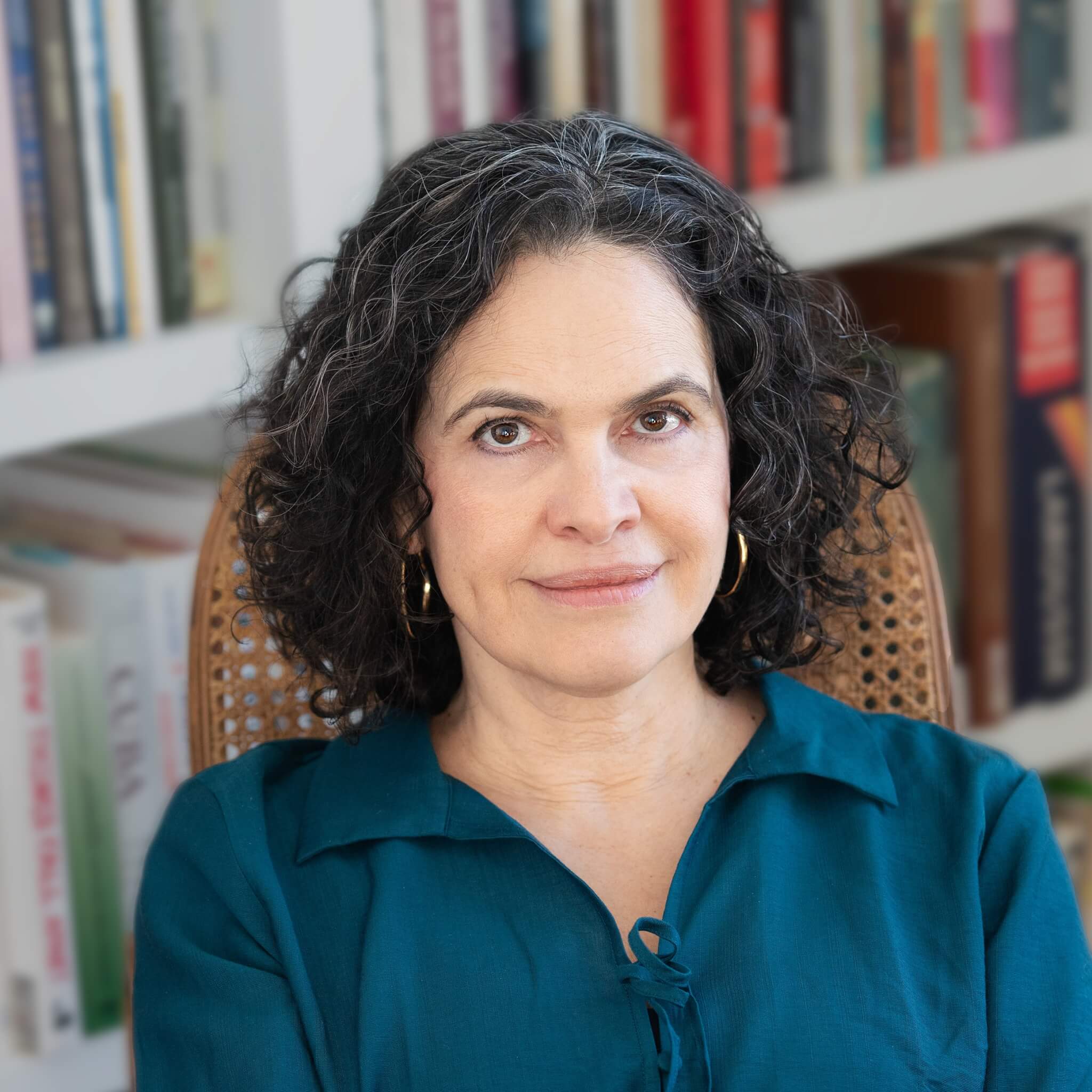
Born in Havana in 1962, Ferrer left Cuba as a baby when her mother emigrated to the United States to join her father, who had already left the island. Today she is one of the world’s leading historians of Cuba, a professor at Princeton University, and the author of Cuba: An American History, the Pulitzer Prize-winning book that has become essential reading for anyone seeking to understand the complex relationship between Cuba and the United States.
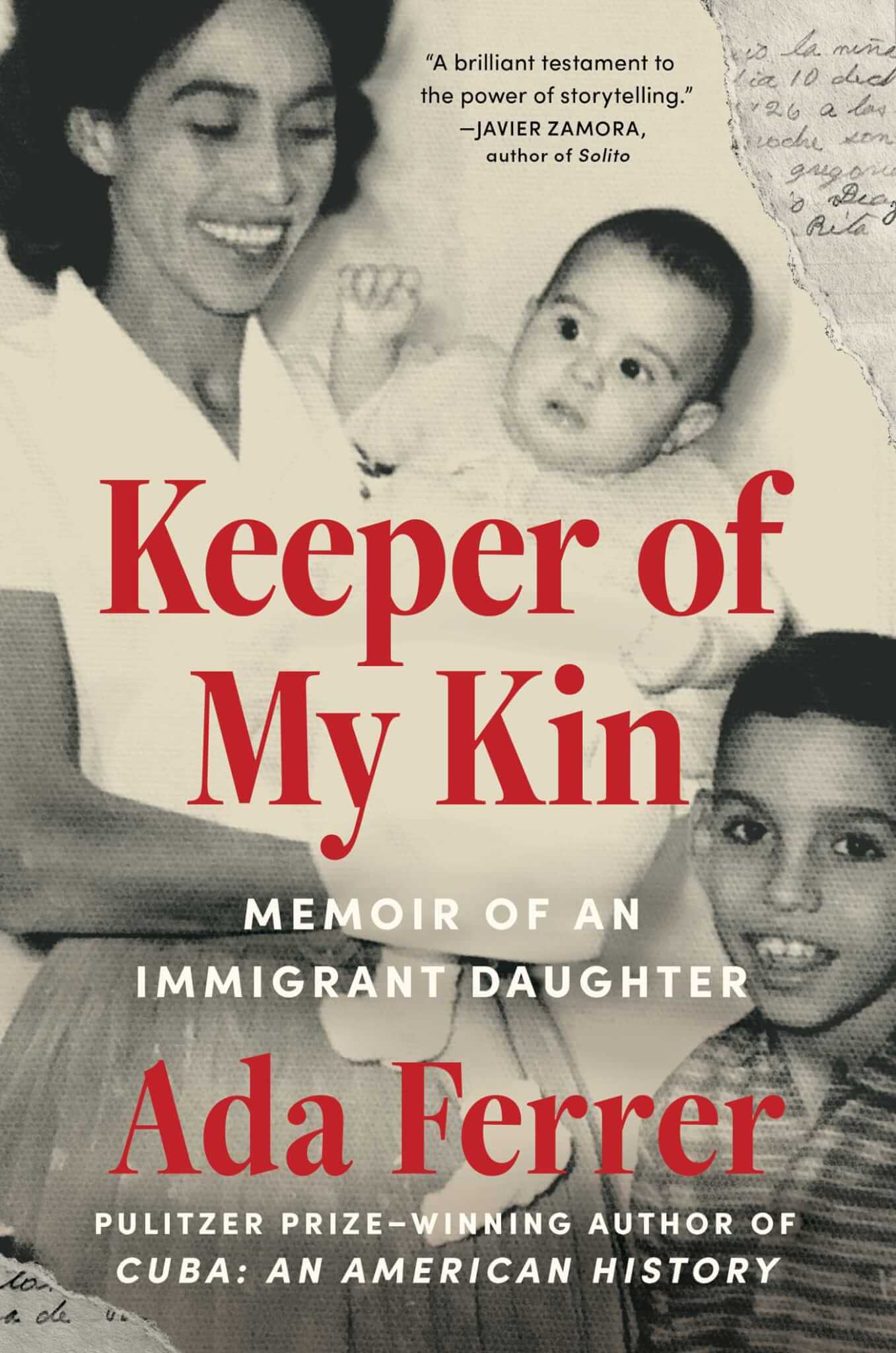
But it is her latest book, Keeper of My Kin: Memoir of an Immigrant Daughter, that may be her most powerful work.
When History Becomes Family
The book tells the story of Ferrer’s own family, divided by immigration and politics in the years following the Cuban Revolution.
At its centre is a heartbreaking decision made by her mother in 1963. She left Cuba with her infant daughter, Ada, but was unable to take her older son, Poly, who remained behind. The consequences of that separation would echo through the decades.
What makes the memoir so remarkable is Ferrer’s refusal to reduce her family’s story to politics. There are no easy heroes or villains. Instead, she explores exile, migration and Revolution through the people who lived them: parents and children, brothers and sisters, those who left and those who stayed.
The book reminds us that the deepest consequences of political decisions are often not ideological, but familial.
Cuba Beyond the Slogans
In a recent interview with El País, Ferrer observed:
“People often talk about Cuba in slogans – whether you’re for or against the Revolution, who left and who stayed. Everything gets reduced to those binaries. But that’s not Cuba’s real history. The real story lives in families like ours, who experienced the Revolution, exile and migration policies firsthand. Family separation and ordinary people struggling to survive are also part of Cuba’s history, yet they are often overlooked.
What matters most is not ideology but family bonds and our shared humanity. This is not only my family’s story; it could be the story of countless people over the last several decades. And in the United States, it is not just a Cuban story. This is a nation shaped by immigrants from around the world. People leave loved ones behind because they feel they have no other choice, and that process is profoundly painful.
At a time when political rhetoric in the United States – especially from its leaders – can speak of migrants as if they are less than human, it is vital to tell immigrant stories in a way that restores their humanity.”
For us at Cubania, that captures exactly why Ferrer’s work matters.
So much discussion about Cuba centres on governments, sanctions, the Revolution and geopolitics. Meanwhile, ordinary Cubans live with the consequences every day.
As I write this, my Cuban friends, colleagues and family are enduring one of the most difficult periods in recent memory, with severe shortages affecting almost every aspect of daily life. Behind the headlines are millions of personal stories: an economic crisis shaped by political decisions, man-made fuel shortages, families enduring long power cuts, sons leaving parents, siblings separated for years, and friendships stretched across oceans.
Some families remain closely connected despite the distance. Others find the pain too difficult to bear and choose to forget. Cubans even have a phrase for it: la Coca-Cola del olvido – “the Coca-Cola of forgetting”.
Keeper of My Kin explores that emotional reality with honesty, compassion and extraordinary insight.
Where to Start Reading About Cuba
People often ask us for book recommendations about Cuba.
If you want to understand the historical roots of the often passionate, and sometimes toxic, relationship between Cuba and the United States, start with Cuba: An American History.
But if you want to understand the human story behind Cuba’s recent history – the separation, sacrifice, resilience and love experienced by so many Cuban families – begin with Keeper of My Kin.
Few writers speak about Cuba with the balance, empathy and humanity of Ada Ferrer. At a time when political debate so often drowns out personal experience, her work reminds us where the real story of Cuba is found: not in slogans, but in families.